Spain’s Luxury Tourism Renaissance: Madrid, Barcelona, and Marbella Lead the Charge
Alexandra Farrell | · 9 min. read
Spain is experiencing an extraordinary transformation in its tourism landscape, with luxury travel taking center stage in 2025. The country's three crown jewels Madrid, Barcelona, and Marbella are attracting record-breaking numbers of affluent visitors, establishing themselves as premier destinations that rival traditional luxury hubs like Paris, Milan, and Dubai. This remarkable shift represents more than just increased foot traffic; it signals a fundamental reimagining of what luxury tourism means in the modern era.
The numbers tell a compelling story. In the first eight months of 2025 alone, approximately 66.8 million international travelers visited Spain, setting the stage for another record-breaking year that could surpass even pre-pandemic figures. But what makes this surge particularly significant is not merely the volume of visitors, it's the quality of their engagement and the depth of their spending. The average traveler's expenditure has climbed by 3.6 percent to €1,457, demonstrating that Spain has successfully positioned itself as a destination for those seeking premium experiences rather than budget getaways.
The economic impact of this luxury tourism boom cannot be overstated. The World Travel & Tourism Council predicts that tourism will contribute over €260 billion to Spain's GDP this year, a figure that underscores the sector's vital role in the nation's economic health. From the opulent shopping districts of Madrid to the yacht-filled marina of Marbella, from sold-out matches at the Santiago Bernabéu to the modernist boulevards of Barcelona, Spain is demonstrating that it has become the European destination to be in 2025.
Madrid: The Capital of Sophistication
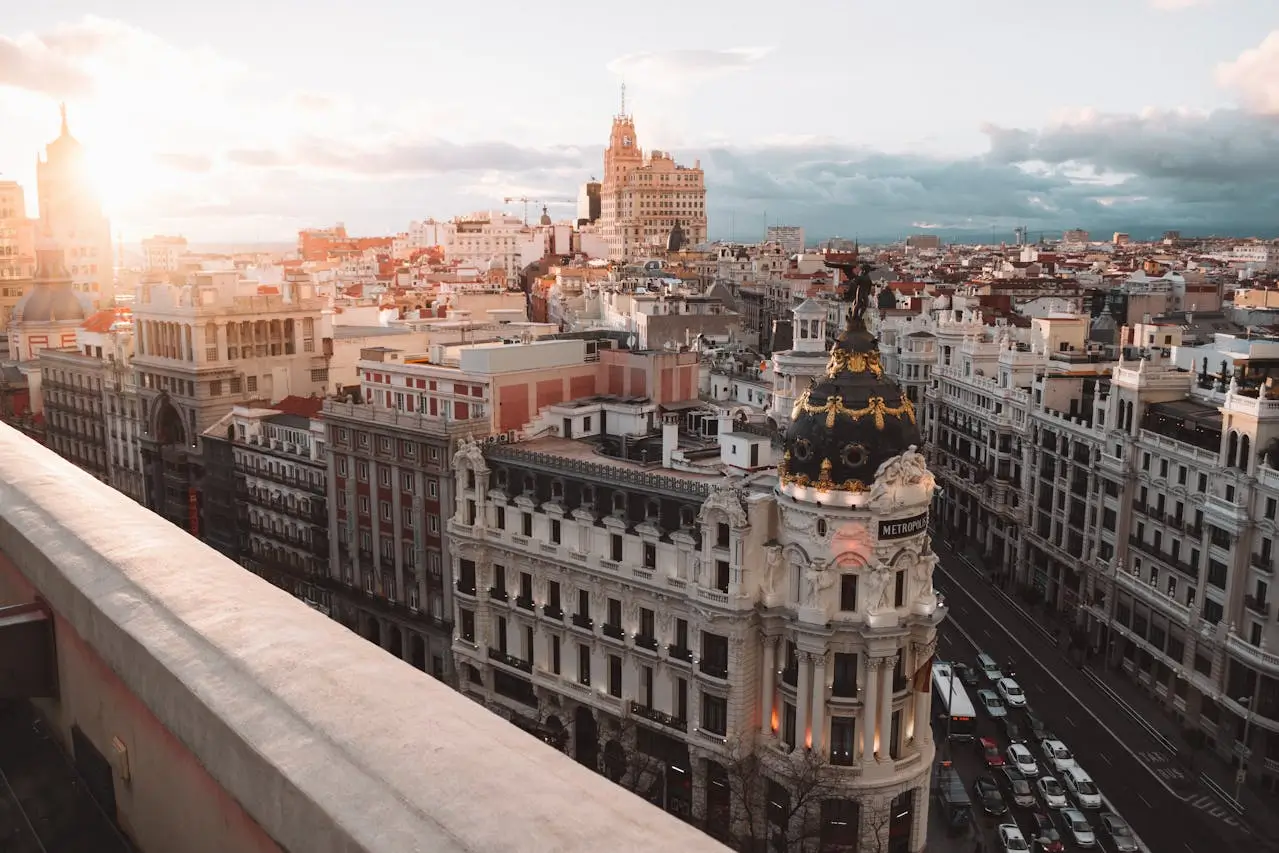
At the heart of Spain's luxury revolution stands Madrid, a city that has masterfully woven its rich historical tapestry with contemporary elegance. The capital has emerged as a haven for the world's most exclusive brands, with the Salamanca district's Golden Mile serving as the epicenter of this transformation. José Ortega y Gasset street, in particular, has become a magnet for high-end shoppers, hosting flagship stores of luxury giants including Hermès, Chanel, and Louis Vuitton.
What distinguishes Madrid's approach to luxury retail is its emphasis on creating holistic experiences rather than simple transactions. The city has moved beyond the traditional model of luxury shopping, instead crafting an entire ecosystem centered on personalization, exclusivity, and impeccable service. Galería Canalejas exemplifies this evolution, offering a multi-brand shopping destination that provides private entrances, personal stylists, and exclusive previews of new collections. This level of attention to detail reflects a broader understanding that today's luxury consumer seeks privacy, discretion, and tailored experiences above all else.
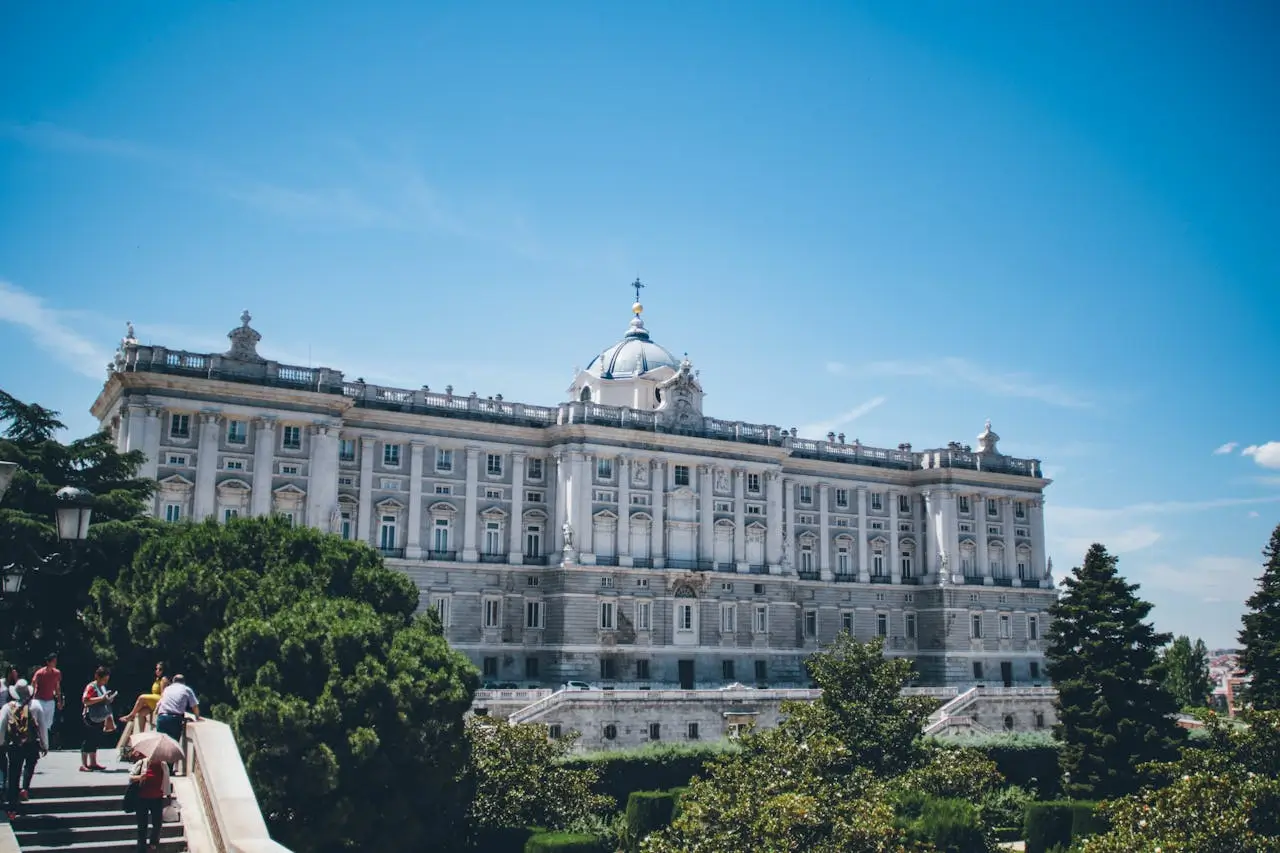
The city's appeal extends far beyond its retail offerings. Madrid accounts for nearly 47 percent of Spain's luxury retail sales, a staggering figure that cements its position as a global leader in the luxury sector. This dominance stems from the city's ability to offer something that few other destinations can match: a distinctly Spanish luxury experience rooted in cultural richness and delivered within a compact, walkable city center.
The demographic profile of Madrid's luxury visitors reveals interesting shifts in global wealth patterns. While there has been a slight decrease in American spending, the city has witnessed a sharp increase in visitors from Asia, the Middle East, and Latin America. This diversification of the luxury market reflects broader economic trends and demonstrates Madrid's ability to adapt to changing consumer preferences and spending patterns.
Madrid's success also mirrors global trends in luxury retail, where destinations are creating mixed-use spaces that combine high-end shopping with cultural experiences, fine dining, and art. However, Madrid possesses a unique advantage: its deep cultural heritage and architectural splendor provide an authentic backdrop that cannot be replicated in newer luxury developments around the world.
Barcelona: Where Heritage Meets Modernity
Barcelona continues to captivate affluent travelers with its unique ability to blend centuries-old heritage with cutting-edge contemporary style. The city's iconic Passeig de Gràcia serves as the perfect metaphor for this fusion, where shoppers can admire Gaudí's architectural masterpieces like Casa Batlló and La Pedrera while browsing through the collections of global luxury brands.
The city's luxury sector has shown remarkable growth, with Global Blue reporting a 29 percent increase in luxury sales in Barcelona in 2024. This impressive figure reflects the city's enduring appeal and its ability to attract high-spending visitors year after year. The continued investment by luxury brands, such as the recent opening of Carrera y Carrera's flagship store, demonstrates confidence in Barcelona's future as a luxury destination.
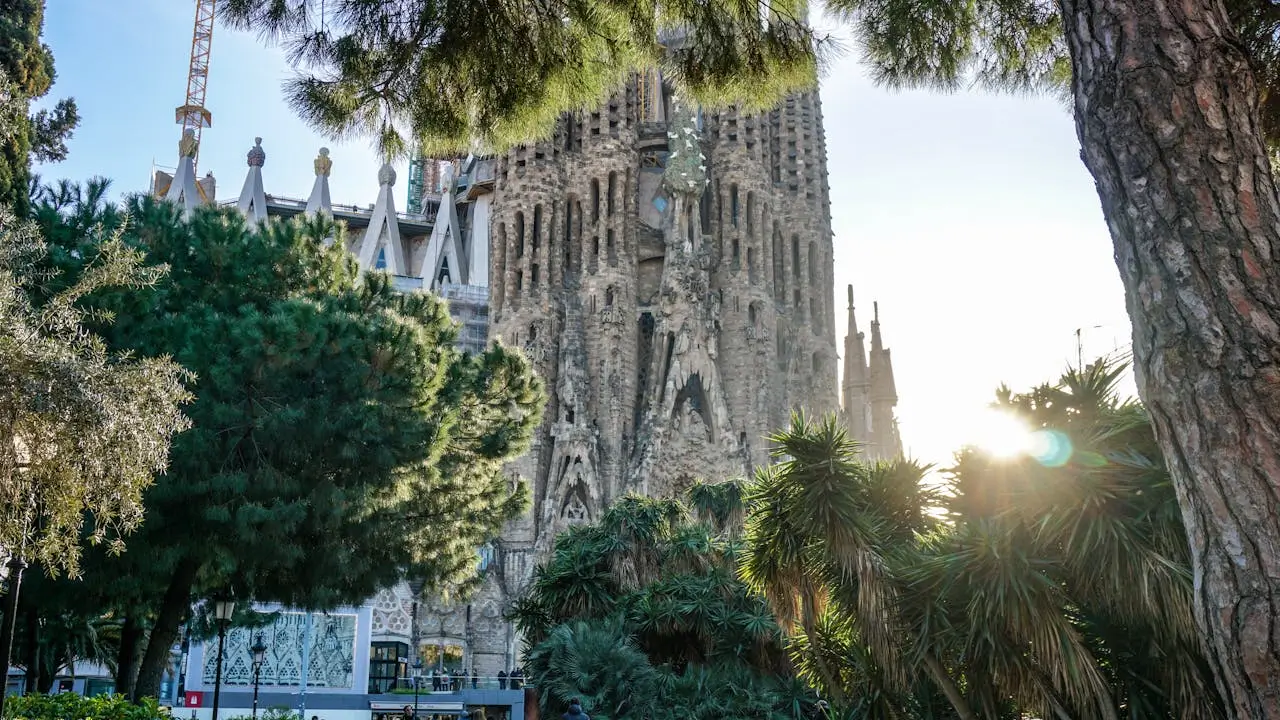
What sets Barcelona apart from other luxury markets is its authenticity and accessibility. The city offers a unique proposition: visitors can explore world-class shopping in the morning, visit a centuries-old cathedral in the afternoon, and enjoy authentic tapas in a neighborhood bar in the evening. This seamless integration of luxury with local culture creates an experience that feels genuine rather than manufactured.
Barcelona's luxury tourism sector benefits from the city's compact layout and excellent infrastructure. Unlike sprawling metropolises where luxury districts feel isolated from the urban fabric, Barcelona's premium shopping areas are woven into the city's historic core. This integration allows visitors to experience the city's full cultural richness while still enjoying the amenities and services expected of a world-class luxury destination.
The city's approach to luxury retail emphasizes storytelling and craftsmanship. Many of the luxury boutiques and galleries in Barcelona focus on artisanal quality and heritage, offering products and experiences that reflect Spanish and Catalan traditions. This emphasis on local authenticity resonates strongly with today's luxury consumers, who increasingly seek meaningful connections to the places they visit.
Marbella: The Mediterranean's Luxury Haven
Marbella's transformation from a seasonal resort town to a year-round luxury destination represents one of the most remarkable stories in Spain's tourism evolution. Located on the Costa del Sol, this coastal gem now competes directly with the French Riviera for the attention and spending of high-net-worth individuals from around the globe.
The Marbella Club has been instrumental in driving this transformation, pioneering a model that integrates high-end hospitality with exclusive retail experiences. Following Chanel's groundbreaking decision to open an in-hotel flagship store, other luxury brands including Bottega Veneta and Loewe have followed suit, creating intimate shopping environments that allow guests to browse away from the crowds and chaos of traditional retail settings.
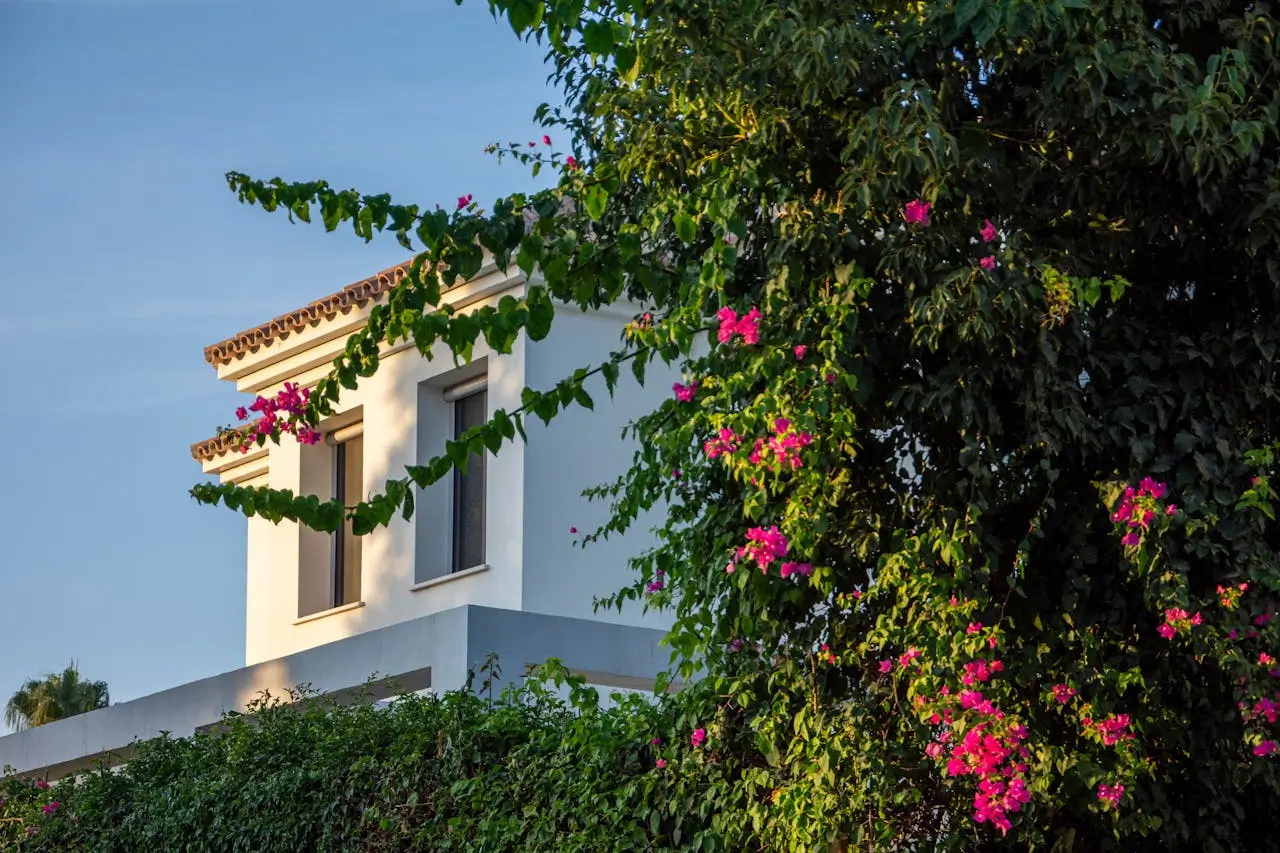
Marbella's appeal lies in its ability to offer complete privacy and exclusivity. The city caters to a discerning clientele seeking custom-designed experiences, whether that means private viewings of jewelry collections, personalized beachwear fittings, or exclusive access to eco-friendly estates and villas. The luxury retail scene here is not simply about selling products; it's about creating lifestyle experiences that reinforce notions of exclusivity and authenticity.
The shift to year-round operations has been crucial for Marbella's evolution as a luxury destination. By attracting visitors during off-peak seasons and encouraging longer stays, the city has developed a more stable and sustainable luxury tourism economy. This extended season allows businesses to maintain higher standards of service and creates opportunities for deeper engagement between visitors and the local community.
Marbella's luxury sector also reflects growing demand for sustainability and environmental consciousness among wealthy travelers. The city has responded with eco-friendly resorts, sustainable dining options, and conservation-focused experiences that allow visitors to enjoy luxury while minimizing their environmental impact. This alignment with contemporary values has helped Marbella attract a younger generation of affluent travelers who prioritize sustainability alongside comfort and exclusivity.
The Changing Nature of Luxury Tourism
Spain's success in the luxury tourism sector reflects broader shifts in how wealthy travelers approach their vacations and expenditures. The emphasis has moved decisively from quantity to quality, from mass-market luxury to personalized, authentic experiences. Today's luxury consumers seek destinations that offer not just premium amenities but also genuine cultural engagement, sustainability, and storytelling.
This evolution presents both opportunities and challenges for Spain's luxury destinations. On one hand, the country's rich cultural heritage, diverse landscapes, and excellent infrastructure position it perfectly to meet these evolving demands. On the other hand, maintaining authenticity while accommodating growing numbers of visitors requires careful planning and management.
Spain's cities have responded by emphasizing sustainable tourism practices and working to ensure that luxury development enhances rather than detracts from local communities. This approach recognizes that true luxury in the modern era means experiencing places in ways that are both exclusive and responsible, indulgent yet mindful of broader social and environmental impacts.
The personalization of luxury experiences has become paramount. Whether it's private shopping appointments, customized cultural tours, or tailored dining experiences, Spain's luxury sector has embraced the understanding that wealthy travelers value experiences curated specifically for them. This shift requires significant investment in training, infrastructure, and service design, but the returns—both financial and reputational—have proven substantial.
Looking Toward the Future
As Spain continues to refine and expand its luxury tourism offerings, the outlook remains exceptionally positive. The country has demonstrated an ability to adapt to changing consumer preferences while maintaining the authentic character that makes it special. This balance between evolution and preservation will be crucial as competition in the global luxury tourism market intensifies.
The success of Madrid, Barcelona, and Marbella provides a blueprint for other Spanish destinations looking to attract luxury travelers. The key ingredients—cultural authenticity, excellent infrastructure, personalized service, and a commitment to sustainability—can be adapted to different contexts while respecting local character and community needs.
Spain's luxury tourism boom represents more than just economic success; it reflects a deeper understanding of what modern travelers seek when they invest in premium experiences. By focusing on quality over quantity, authenticity over artifice, and sustainability over short-term gains, Spain has positioned itself not just as a destination but as a leader in defining what luxury tourism means in the 21st century.
The record-breaking visitor numbers and soaring expenditures of 2025 are not isolated achievements but rather the result of years of strategic investment and careful cultivation of Spain's luxury tourism brand. As the country continues to innovate and refine its offerings, it stands poised to maintain its position at the forefront of global luxury travel, attracting discerning visitors who seek the perfect blend of history, culture, exclusivity, and authentic Spanish hospitality.
